


Plug-in Hybrid vs EV Comparison
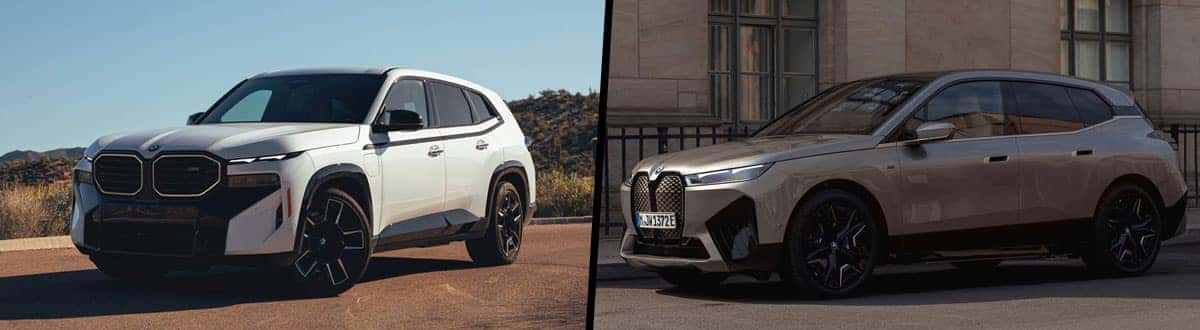
Today’s auto shoppers have an exciting range of vehicles to choose from, including various plug-in hybrid and electric vehicles. At BMW of Greenwich, our associates are enthusiastic about helping each shopper make a smart decision that delivers pure enjoyment for years. What should you know about plug-in hybrid and EV models?
Maintenance & Repairs
A plug-in hybrid operates with a gas combustion engine mated with a battery-driven electric motor. It draws on energy from the battery thoroughly before using gas. An EV has one or more electric motors and does not have a combustion engine. Combustion engines require significant maintenance and repair over the years, making them more expensive than an EV motor. Maintenance and repair are generally more expensive on a plug-in hybrid vehicle compared to an EV because of the gas-powered engine.
Fuel Expense
A plug-in hybrid vehicle may have an all-electric fuel range of 25, 35, or more miles before it sips on fuel. In many cases, a driver’s outing may be less than this or only slightly longer. As a result, many people with a plug-in hybrid vehicle visit the gas station infrequently. However, gas refills are still necessary from time to time. An EV runs only on electric power, so it must be recharged frequently. While you do not need to visit a gas station with an EV, you may need to stop by a public charging station from time to time.
Charging
The batteries of an EV and a plug-in hybrid vehicle are the same. The cord can connect to a charging station in your garage or side of your house, or you can use a public charging station to boost energy away from home. The PHEV battery is generally smaller and can be replenished faster than the battery of an EV.
Take a Test Drive at BMW of Greenwich Today
EVs and PHEVs have strong appeal, but their differences may make one a more appealing option. To continue learning about our models, visit BMW of Greenwich today for a test drive.